SANITIZER — POURING IT IN DOESN’T MEAN IT’S SANITIZING
One important point we always explain to our customers:
Sanitizer must be tested.
Simply adding sanitizer into water and assuming it is working is not enough.
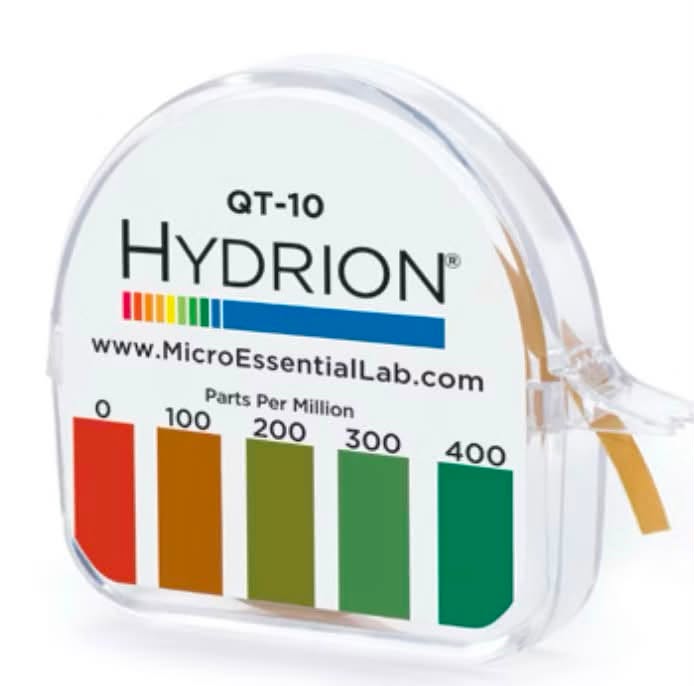
The correct concentration should be verified using the appropriate sanitizer test strip/tape to check the actual PPM (parts per million).
Why is this important?
PPM too low
The sanitizer may not provide the sanitizing performance required.
Correct PPM
The sanitizer is being used within the manufacturer’s recommended concentration for its intended application.
PPM too high
More chemical does not mean better sanitizing. Excessive concentration can create unnecessary chemical exposure, increase cost and may exceed the product’s approved use concentration.
There is another important factor: sanitizer solution does not remain effective forever. Depending on the active ingredient, contamination, water conditions, temperature and time can affect its available concentration.
That’s why proper sanitation should follow a simple principle:
DILUTE → TEST → VERIFY → SANITIZE
At MSC Essentials, we don’t want customers to simply use chemicals. We want them to understand whether the chemical is actually being used correctly, safely and effectively.
Chemical control is not about guessing.
If you don’t test the concentration, you don’t really know what PPM you’re sanitizing at.
Always follow the sanitizer manufacturer’s label/SDS instructions and use the correct test strip for the sanitizer chemistry.
#MSCEssentials #FoodSafety #Sanitizer #ChemicalSafety #PPM #KitchenHygiene #FoodService